Water remediation company plays a critical role in safeguarding our planet’s most vital resource—water. These companies are at the forefront of combating various contaminants that threaten both human health and ecological balance. From industrial waste to agricultural runoff, their expertise ensures that communities have access to clean and safe water, making them indispensable in today’s world.
The services offered by water remediation companies encompass a broad spectrum, including filtration, chemical treatment, and innovative technologies that revolutionize how we tackle water contamination. Understanding these processes is essential for appreciating their significance in promoting environmental sustainability and public health.
Introduction to Water Remediation Companies
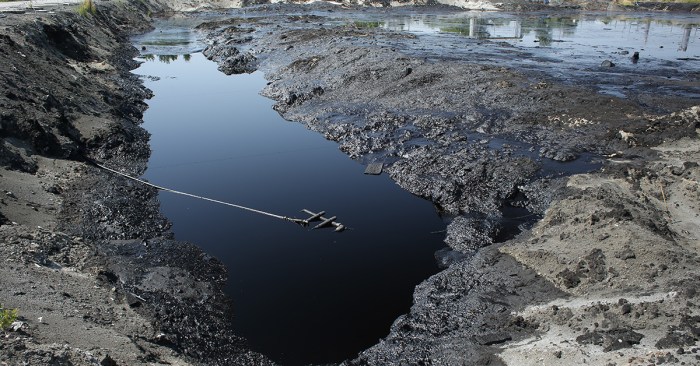
Water remediation companies play a pivotal role in maintaining environmental sustainability by addressing the pressing issue of water contamination. With the increasing industrial activities and urbanization, the threat of pollutants in our water sources has escalated, affecting not only ecosystems but also human health. These companies specialize in the removal of various types of contaminants, ensuring that water is safe for consumption and use.The contaminants commonly tackled by water remediation companies include heavy metals, pesticides, pharmaceuticals, and microbial pathogens.
These pollutants can originate from industrial discharge, agricultural runoff, or sewage systems. To combat this, water remediation companies offer key services such as groundwater treatment, surface water remediation, and waste management strategies.
Techniques Used in Water Remediation
Water remediation employs a variety of techniques designed to purify contaminated water. Common methods include mechanical filtration, chemical treatment, and biological processes. Mechanical filtration helps in removing solids from water, while chemical treatments often involve the addition of substances that neutralize or precipitate contaminants. Biological processes utilize microorganisms to break down harmful substances, making them less toxic.Innovative technologies are continually being developed in the field.
For instance, advanced oxidation processes (AOPs) utilize powerful oxidants to degrade contaminants effectively. Nanotechnology is also making waves, allowing for the development of materials that can filter out specific pollutants at a molecular level. Comparing traditional methods to modern approaches reveals significant advancements. Traditional methods tend to be labor-intensive and time-consuming, whereas modern techniques often harness automation and data-driven solutions for efficiency and effectiveness.
Regulatory Framework and Compliance
Water remediation practices are governed by a comprehensive regulatory framework designed to protect public health and the environment. Various environmental regulations, such as the Clean Water Act and Safe Drinking Water Act in the United States, set stringent standards for water quality and waste disposal.Compliance requirements for water remediation companies include obtaining necessary permits, conducting regular monitoring, and adhering to reporting obligations.
Companies that fail to comply with these regulations can face severe penalties, including fines and legal sanctions, which underscore the importance of adherence to environmental laws.
Case Studies and Success Stories
Successful water remediation projects often serve as powerful narratives, showcasing the positive impact on communities. For example, one notable project involved the cleanup of a contaminated river, where innovative bioremediation techniques were employed. The result was not only cleaner water but also a revitalization of local wildlife and recreational opportunities for residents.Data from such projects reveal that specific remediation techniques, such as phytoremediation, have successfully reduced contaminant levels by up to 90% in certain sites.
Lessons learned from unsuccessful remediation efforts, such as inadequate site assessment, have led to improved methodologies and enhanced planning in future projects.
Environmental and Economic Impacts
The implications of effective water remediation extend beyond environmental health; they are integral to public health and safety. Clean water reduces the risk of waterborne diseases, thereby contributing to healthier communities. Economically, investing in water remediation services offers substantial benefits for both businesses and communities. For instance, improved water quality can enhance property values and attract tourism, stimulating local economies.
Statistics indicate that for every dollar spent on water quality improvement, communities can see a return on investment through increased economic activity and reduced health costs.
Future Trends in Water Remediation
Emerging trends and technologies are set to shape the future of water remediation significantly. Innovations such as artificial intelligence (AI) and data analytics are being integrated into remediation strategies, allowing for real-time monitoring and predictive modeling. This advancement enables companies to respond more effectively to contamination events and optimize their remediation efforts.Potential shifts in regulatory standards are also on the horizon, as governments worldwide increasingly prioritize environmental sustainability.
Consumer expectations are evolving, with a growing demand for transparency and accountability in how water sources are managed and protected.
Selecting a Water Remediation Company
Evaluating the qualifications and reputation of a water remediation company is crucial for ensuring effective service. A checklist for assessment should include:
- Verification of certifications and licenses
- Experience in handling specific contaminants
- Technological capabilities and methods used
- Client testimonials and case histories
- Compliance with local and federal regulations
Assessing the technological capabilities of potential service providers is essential. Companies that utilize cutting-edge technology often demonstrate greater efficacy in remediation results. Customer testimonials and documented case histories provide valuable insights into a company’s reliability and effectiveness, further aiding in the selection process.
Key Questions Answered
What is water remediation?
Water remediation refers to the process of removing contaminants from water to make it safe for consumption and environmental use.
How long does the water remediation process take?
The duration of the water remediation process varies depending on the contamination level and the methods used, ranging from a few days to several weeks.
When dealing with water damage, it’s crucial to enlist the help of a reliable water mitigation company. These experts offer tailored solutions for effective water removal and restoration, ensuring your property is safeguarded against future issues. With their advanced techniques and equipment, you can trust that your home will be restored to its original state promptly and efficiently, allowing you to focus on what truly matters.
Are water remediation services expensive?
When faced with water damage, a reliable water mitigation company becomes essential. They not only assess the damage but also implement effective solutions to restore your property. Their expertise ensures that moisture is eliminated promptly, preventing mold growth and further complications. Investing in professional services can save you time and money in the long run while ensuring your space is safe and healthy.
The cost of water remediation services depends on various factors, including the extent of contamination and the technologies employed, but investing in clean water is often more cost-effective in the long run.
Can I perform water remediation myself?
While some basic methods can be performed at home, professional services are recommended for effective and safe remediation of serious contamination issues.
What contaminants do water remediation companies typically address?
Common contaminants include heavy metals, bacteria, pesticides, and industrial chemicals.