Water mitigation company plays a pivotal role in safeguarding homes and businesses from the devastating effects of water damage. These professionals not only restore properties but also provide peace of mind during a crisis. With a multitude of services ranging from emergency response to thorough restoration, they ensure that the aftermath of water-related disasters is managed efficiently and effectively.
Understanding the nuances of water damage is crucial for any property owner. Whether it’s a minor leak or a major flood, the implications of water intrusion can be severe. Water mitigation companies act swiftly to contain damage, implement preventive measures, and restore properties, thereby minimizing long-term consequences and reducing costs.
Introduction to Water Mitigation Companies
Water mitigation companies play a crucial role in the recovery process following water-related disasters. Their primary focus is to restore properties affected by water damage, helping homeowners and businesses recover quickly and efficiently. These companies provide essential services that encompass everything from initial assessment to complete restoration.The services commonly offered by water mitigation companies include water extraction, structural drying, mold remediation, and damage assessment.
Each of these services is designed to address the unique challenges posed by water damage, ensuring that properties are returned to their pre-damage condition. Timely intervention is critical in water damage situations; the quicker the response, the less risk there is of long-term damage such as mold growth or structural issues.
Types of Water Damage
Understanding the various sources and categories of water damage is essential for effective mitigation. Water damage can arise from several sources, including:
- Flooding from natural disasters
- Pipes bursting or leaking
- Sewage backups
Each of these sources poses distinct challenges and risks to properties. Water damage is classified into three categories based on the level of contamination:
- Clean Water: Water from a clean source such as broken pipes or rainwater.
- Grey Water: Slightly contaminated water that may contain some level of impurities, such as water from washing machines.
- Black Water: Highly contaminated water from sewage, which poses severe health risks.
The impact of each type of water damage varies significantly. Clean water can often be remedied quickly, while grey and black water require more intensive and specialized mitigation efforts to ensure safety and restore the property.
Water Mitigation Process
The water mitigation process consists of several critical steps designed to effectively address water damage. The standard procedures typically involve:
- Assessment of the damage and identification of the source of water.
- Water extraction using specialized equipment.
- Drying and dehumidification of affected areas.
- Mold inspection and remediation if necessary.
- Final restoration and repairs to return the property to its original state.
Equipment such as industrial-grade dehumidifiers, water extraction pumps, and moisture meters are essential in the mitigation process. These tools enable professionals to ensure thorough drying and prevent further damage.
Choosing a Water Mitigation Company
Selecting a reliable water mitigation service is crucial for successful restoration. Key criteria to consider include:
- Certification and licensing of the company
- Experience in handling similar water damage situations
- Positive customer testimonials and case studies
- Availability of 24/7 emergency response services
- Comprehensive insurance coverage for the services provided
Opting for professional services often yields better results compared to DIY approaches. Professionals have the expertise and equipment necessary to handle complex situations safely and effectively. Testimonials from satisfied customers can provide insight into the reliability and professionalism of a water mitigation company, offering peace of mind during a stressful time.
Prevention and Maintenance
Preventing water damage is always preferable to dealing with its aftermath. Homeowners can take several proactive measures to avoid potential issues:
- Regularly inspect and maintain plumbing systems.
- Ensure proper grading and drainage around the property.
- Install sump pumps in basements to manage flooding.
- Keep gutters clean and functional to direct water away from the home.
Regular maintenance plays a significant role in preventing water issues. Establishing a checklist for water damage preparedness can help homeowners stay vigilant and minimize risks.
Insurance and Water Mitigation
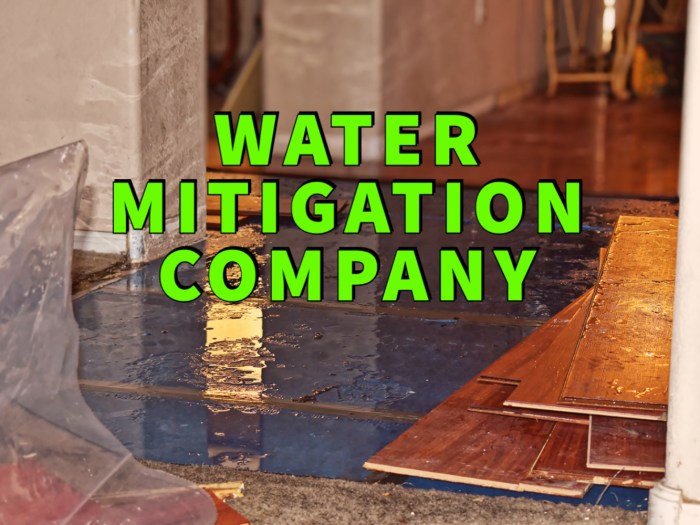
Insurance plays a vital role in covering water damage claims. Understanding how to navigate the claims process after mitigation is essential. The key steps include:
- Contacting your insurance company promptly to report the damage.
- Documenting the damage with photographs and written notes.
- Providing estimates from mitigation services to your insurer.
- Following up on the claim to ensure timely processing.
Proper documentation is crucial for a successful claim. Keeping records of all communications and receipts related to the mitigation process can facilitate smoother interactions with the insurance company.
Environmental Considerations
Water damage and its mitigation can have significant environmental impacts. Eco-friendly practices in water restoration are increasingly important as awareness of sustainability grows. Companies are adopting methods that prioritize environmental health, such as:
- Using biodegradable cleaning products during restoration.
- Implementing water-efficient restoration techniques.
- Recycling materials when possible.
A comparison of traditional methods versus sustainable approaches in a table format can highlight the benefits of eco-friendly practices in the industry.
Future Trends in Water Mitigation
Emerging technologies continue to shape the future of water damage restoration. Innovations are being developed in equipment and materials, enhancing the efficiency of mitigation efforts. Companies now utilize advanced moisture detection technology and high-speed drying equipment, which significantly reduces restoration time.Predictions for the future of the water mitigation industry suggest a rise in automated and remote monitoring systems that can help detect water issues before they escalate.
These advancements not only improve response times but also contribute to more sustainable practices in property management.
FAQs
What is the typical response time for a water mitigation company?
Most water mitigation companies aim to respond within 1 to 2 hours of receiving a call, ensuring quick action to minimize damage.
Are water mitigation services covered by homeowners insurance?
Yes, many homeowners insurance policies cover water mitigation services, especially if the damage is sudden and accidental.
How can I prevent water damage in my home?
Regular maintenance, such as inspecting roofs and plumbing, and installing sump pumps can significantly reduce the risk of water damage.
Can I perform water mitigation myself?
While some minor issues can be handled by homeowners, it’s advisable to hire professionals for effective and safe mitigation, especially for extensive damage.
What equipment do water mitigation companies use?
They typically use specialized equipment such as water extractors, dehumidifiers, and air movers for efficient water removal and drying.