When disaster strikes in the form of water damage, knowing where to turn can make all the difference. Emergency water restoration near me is more than just a service; it’s a lifeline for homeowners and businesses alike. From burst pipes to natural floods, understanding the urgency of immediate restoration can safeguard your property and health.
The process involves assessing the damage, extracting water, and implementing drying and sanitization methods to restore your space. With the right local professionals at your side, you can navigate the chaos of water damage with confidence and efficiency, ensuring a swift return to normalcy.
Emergency Water Restoration Overview
Emergency water restoration is a critical service that addresses the immediate aftermath of water damage in residential and commercial properties. The process involves a series of steps designed to mitigate damage, prevent further issues, and restore the affected areas to their pre-loss condition. Understanding the significance of prompt restoration cannot be overstated, as delays can lead to additional damage, including structural issues and mold growth.Common causes of water damage that necessitate immediate restoration include burst pipes, severe weather conditions such as floods or storms, appliance malfunctions like overflowing washing machines, and sewer backups.
Each of these scenarios can lead to significant damage if not addressed quickly.
Steps Involved in Emergency Water Restoration Services
The typical steps followed during emergency water restoration services are as follows:
- Assessment: A thorough inspection of the affected area to assess the extent of the damage and formulate a restoration plan.
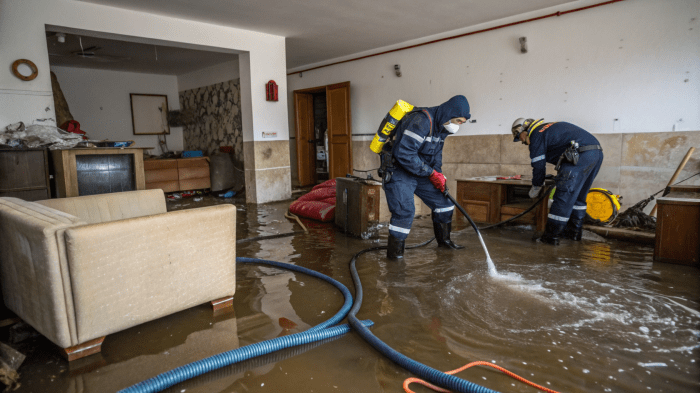
- Water Extraction: The removal of standing water using specialized pumps and vacuums.
- Drying and Dehumidification: Employing industrial fans and dehumidifiers to eliminate moisture from walls, floors, and air.
- Cleaning and Sanitization: Cleaning affected areas and applying disinfectants to prevent mold growth and ensure safety.
- Restoration: Repairing any damaged structures, such as drywall and flooring, to return the property to its original state.
Local Services for Emergency Water Restoration
When searching for local emergency water restoration services, there are several criteria to consider. It’s essential to find a service that is not only quick to respond but also has a reputation for quality work.
Criteria for Choosing Local Services
The following criteria can help you identify the right local professionals for your needs:
- Availability: Look for services that offer 24/7 emergency response.
- Experience: Choose companies with a proven track record in water restoration.
- Certifications: Ensure that the technicians are certified by relevant organizations, such as the IICRC.
- Reviews and Testimonials: Check online reviews and ask for references to gauge customer satisfaction.
- Insurance and Licensing: Confirm that the company is licensed and insured to protect yourself from liability.
Benefits of Hiring Local Professionals
Hiring local professionals for emergency water restoration offers several advantages:
- Quick Response Times: Local companies can typically reach your location faster, reducing damage.
- Familiarity with Local Regulations: They understand local building codes and regulations, ensuring compliance.
- Support Local Economy: Choosing local businesses supports your community.
First Contact Expectations
When you first contact a local restoration company, you can expect a few things:
- Initial Assessment: They will ask about the nature of the damage and may schedule an on-site evaluation.
- Estimates: You will receive an estimate of costs and a timeline for restoration.
- Explanation of Services: Expect a clear Artikel of the services they will provide during the restoration.
Emergency Water Restoration Procedures
The procedures followed during an emergency water restoration project are standardized to ensure efficiency and effectiveness.
Standard Procedures in Water Restoration
The primary phases of the restoration process include:
- Assessment and Inspection: Technicians inspect the property for both visible and hidden water damage.
- Water Extraction: Rapid extraction of water to minimize damage.
- Drying and Dehumidification: Using advanced technology to dry out the affected areas.
- Cleaning and Sanitization: Thorough cleaning to eliminate contaminants and prevent mold growth.
- Restoration: Repairing and restoring affected areas, including structural repairs and finishing touches.
Role of Water Extraction, Drying, and Dehumidification
Water extraction, drying, and dehumidification are pivotal in the restoration process:
- Water Extraction: This step prevents further water damage and begins the recovery.
- Drying: Essential for reducing humidity levels and preventing mold growth.
- Dehumidification: Keeps the air dry and reduces moisture in structural materials.
Cleaning and Sanitization Methods
Cleaning and sanitization are crucial to restore safety:
- Disinfectants: Use of EPA-approved products to kill bacteria and viruses.
- Surface Cleaning: Thorough cleaning of all surfaces that came into contact with contaminated water.
- Odor Removal: Techniques to eliminate lingering odors post-restoration.
Tools and Equipment Used in Water Restoration
The effectiveness of emergency water restoration heavily relies on specialized tools and equipment.
Essential Tools and Equipment
A comprehensive list of essential tools includes:
- Water Pumps: For rapid water extraction.
- Dehumidifiers: To remove moisture from the air.
- Air Movers: High-velocity fans to promote drying.
- Moisture Meters: To detect hidden moisture levels in materials.
- Infrared Cameras: For identifying moisture behind walls and under floors.
Importance of Specialized Drying Equipment
Specialized drying equipment is critical for effective restoration:
- Efficiency: Speeds up the drying process, minimizing damage.
- Effectiveness: Ensures thorough drying of all surfaces, preventing mold growth.
Safety Gear for Restoration Technicians
Restoration technicians utilize various safety gear during the process, including:
- Protective Clothing: To prevent exposure to contaminants.
- Gloves: Essential for hygiene and protection.
- Respirators: Used when working in areas with potential airborne contaminants.
Insurance and Emergency Water Restoration
Understanding insurance coverage for water damage restoration is critical for homeowners.
Assessing Insurance Coverage Options
It’s important to assess your insurance coverage options to determine what is applicable for water damage restoration:
- Review Policy: Understand the specifics of what is covered under your policy.
- Consult with Agent: Speak with your insurance agent to clarify any questions regarding coverage.
Steps to File a Claim for Water Damage Restoration
Filing a claim requires a systematic approach:
- Document Damage: Take photos and make a detailed list of damaged items.
- Contact Insurer: Notify your insurance company as soon as possible.
- Submit Claim: Provide all necessary documentation and evidence of damages.
Tips for Documenting Damage and Expenses
Proper documentation supports your insurance claims significantly:
- Keep Receipts: Save all invoices related to the restoration process.
- Record Everything: Document conversations with your insurer and restoration contractors.
Preventative Measures for Water Damage
Preventing water damage is crucial for protecting properties.
When disaster strikes, having access to reliable emergency flood services can make all the difference. These professionals are equipped to respond quickly, minimizing damage and ensuring safety during a flooding crisis. By prioritizing rapid assessment and action, they help homeowners and businesses recover efficiently, restoring peace of mind in turbulent times.
Strategies for Water Damage Prevention
Implementing the following strategies can minimize the risk of water damage:
- Regular Inspections: Frequently check plumbing systems for leaks.
- Maintain Gutters: Clean gutters and downspouts to ensure proper drainage.
- Install Sump Pumps: Consider sump pumps in basements to handle excess water.
Regular Maintenance Practices
Regular maintenance can significantly reduce the risk of water damage:
- Seal Cracks: Regularly inspect and seal cracks in walls and foundations.
- Check Appliances: Maintain and inspect appliances that use water, such as washing machines and dishwashers.
Common Signs of Water Damage
Property owners should be vigilant for these common signs of water damage:
- Water Stains: Discoloration on walls or ceilings often indicates leaks.
- Mold Growth: Unexplained mold in areas can signal excess moisture.
- Musty Odors: Persistent musty smells can indicate hidden water problems.
Aftercare and Follow-up
After completing water restoration, follow-up inspections are vital for ensuring the efficacy of the restoration.
Importance of Follow-up Inspections
Follow-up inspections help confirm that the restoration was successful:
- Mold Prevention: Ensures no mold has developed post-restoration.
- Structural Integrity: Checks that all repairs have held and no new damage has occurred.
Ongoing Maintenance Tips
To ensure no future water damage occurs, consider these ongoing maintenance tips:
- Regular Inspections: Schedule routine checks of plumbing and appliances.
- Address Issues Promptly: Tackle any signs of leaks or water damage immediately.
Maintaining Indoor Air Quality Post-Restoration
Post-restoration, maintaining indoor air quality is crucial:
- Air Purifiers: Use air purifiers to clean the air of dust and allergens.
- Ventilation: Ensure proper ventilation to avoid moisture buildup.
Questions Often Asked
What should I do first if I have water damage?
Call emergency water restoration services immediately and ensure your safety by turning off the electricity and water supply if possible.
How long does the water restoration process take?
The duration varies depending on the extent of the damage, but it typically takes 3 to 7 days for complete restoration.
Finding a trustworthy water remediation company is essential after water-related incidents. These experts specialize in assessing the extent of damage, eliminating hazards, and preventing mold growth. With their advanced techniques and equipment, they ensure that your property is not only safe but also restored to its original condition, allowing you to move forward with confidence.
Will my insurance cover water restoration costs?
It depends on your policy; check your coverage and file a claim promptly to ensure you receive the benefits.
Can I handle water restoration myself?
While minor issues may be manageable, it’s best to leave significant damage to professionals to ensure thorough and safe restoration.
How can I prevent future water damage?
Regular maintenance, proper drainage, and prompt repairs of leaks can significantly reduce the risk of future water damage.