Emergency water cleanup company services are vital for homeowners facing the unexpected chaos of water damage. When disaster strikes, whether from a burst pipe or a natural flood, prompt response can be the difference between a minor inconvenience and a major financial setback. It’s essential to understand the risks and the processes involved in effectively addressing water damage, as standing water can quickly lead to mold growth and structural issues.
This article will delve into the types of water emergencies, the cleanup process, and how to choose the right service provider. By gaining insight into these areas, you can better prepare yourself to tackle water-related crises with confidence and minimize potential damage to your property.
Importance of Emergency Water Cleanup Services
Timely emergency water cleanup services play a crucial role in minimizing property damage and safeguarding health. When water infiltrates a home or business, it can quickly become a breeding ground for mold and other harmful microorganisms. The significance of swift intervention cannot be overstated, as it can prevent both structural damage and health hazards.Standing water poses serious health risks, including exposure to bacteria and pathogens that thrive in moist environments.
According to the Environmental Protection Agency (EPA), about 21% of indoor air quality problems stem from mold and dampness, resulting in significant health issues for occupants. Moreover, statistics indicate that water-related emergencies affect millions of homes each year, leading to billions in damages nationwide.
In times of crisis, the ability to access emergency flood services is paramount. These services are designed to respond swiftly and effectively to mitigate water damage. To complement your recovery efforts, engaging with professional water restoration companies ensures that your home is restored to its original state, protecting your investment for the long haul.
Types of Water Emergencies
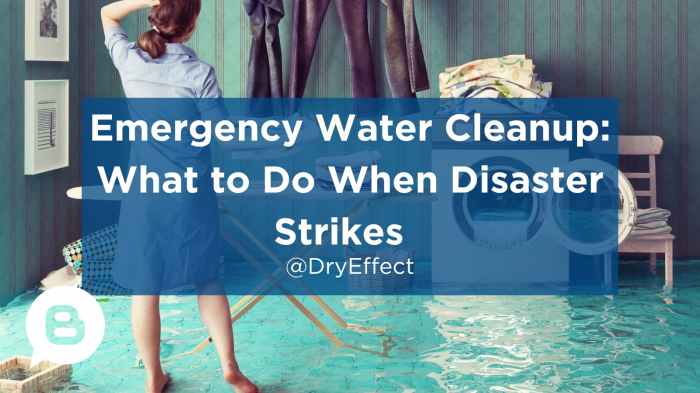
Water emergencies can arise from various sources, necessitating immediate cleanup to mitigate damage. Common causes of water emergencies include:
- Flooding: Excessive rainfall or storm surges can lead to flooding, overwhelming drainage systems.
- Burst Pipes: Frozen or aging pipes can burst, releasing large amounts of water into homes.
- Sewage Backups: Blockages in sewage systems can result in hazardous waste flooding homes.
Different categories of water damage are classified based on the source and contamination level. The three main categories are:
- Clean Water: Water from a clean source, such as a burst pipe, which poses minimal health risks.
- Gray Water: Contaminated water from sources like washing machines or dishwashers, which may contain harmful substances.
- Black Water: Water from sewage or natural disasters, which is highly contaminated and poses serious health risks.
Potential scenarios that necessitate emergency water cleanup include severe storms, plumbing failures, and even appliance malfunctions that lead to flooding.
Emergency Water Cleanup Process
The emergency water cleanup process involves several critical steps to ensure effective remediation. The typical process includes:
- Assessment: Professionals evaluate the extent of water damage and identify affected areas.
- Water Extraction: Specialized equipment, such as pumps and vacuums, are used to remove standing water.
- Drying: Industrial-grade dehumidifiers and fans are employed to dry the affected areas thoroughly.
- Cleanup: All contaminated materials are removed, and surfaces are cleaned and disinfected.
- Restoration: Repairs and restoration work are conducted to return the property to its pre-damage condition.
Professionals utilize various equipment for effective water extraction, including submersible pumps, wet vacuums, and advanced drying systems. Assessing the extent of water damage involves checking moisture levels in walls, floors, and ceilings to ensure all areas are adequately addressed.
Choosing the Right Emergency Water Cleanup Company
Selecting the right emergency water cleanup service is essential for a successful recovery. Key factors to consider include:
- Experience: Look for companies with a proven track record in water damage restoration.
- Certifications: Ensure the company holds certifications from organizations like the Institute of Inspection, Cleaning and Restoration Certification (IICRC).
- Response Time: Choose a company that offers 24/7 emergency services to address your needs promptly.
A checklist of certifications and qualifications to look for in a company can include:
- IICRC Certification
- Insurance and Bonding
- Local Licensing
Customer reviews and testimonials can provide valuable insights into service quality. Look for companies with high ratings and positive feedback regarding their responsiveness and effectiveness.
Preventive Measures to Avoid Water Damage
Homeowners can take proactive measures to reduce the risk of water emergencies. Routine maintenance practices play a vital role in prevention:
- Regular Inspections: Check plumbing systems for leaks or corrosion regularly.
- Appliance Maintenance: Maintain appliances such as washing machines and water heaters to prevent failures.
- Sump Pumps: Install and maintain sump pumps in basements to manage groundwater levels.
In flood-prone areas, proper drainage systems and landscape grading can significantly reduce water intrusion risk.
Insurance and Emergency Water Cleanup
Homeowners insurance typically covers water damage cleanup, provided the damage resulted from a covered peril. Understanding your policy’s specifics is crucial for effective recovery.When filing a claim for water damage repairs, follow these steps:
- Document Damage: Take comprehensive photos and videos of all affected areas and items.
- Notify Your Insurer: Contact your insurance company promptly to report the incident.
- Keep Records: Maintain records of all communications with your insurer and any expenses incurred during cleanup.
Documenting damage effectively is essential for a smooth claims process. Be thorough and organized to ensure your claim is processed efficiently.
Environmental Considerations in Water Cleanup
Eco-friendly methods and products are becoming increasingly important in water cleanup services. Companies often utilize green cleaning agents and sustainable practices to minimize environmental impact.Proper waste disposal during the cleanup process is critical to prevent further contamination and protect local ecosystems. Sustainable practices may include:
- Using biodegradable cleaning products
- Recycling materials whenever possible
- Implementing energy-efficient drying techniques
By adopting these practices, cleanup companies can help ensure a safer environment while restoring properties post-water damage.
FAQ Summary
What should I do immediately after water damage?
Turn off the water source, if possible, and contact an emergency water cleanup company as soon as you can.
How can I tell if my property has water damage?
Look for signs like water stains, warped floors, dampness, or a musty odor.
Are all water damages covered by insurance?
Not all water damage is covered; check your policy for specifics on coverage types and exclusions.
How long does the cleanup process take?
When faced with unexpected water damage, knowing reliable water restoration companies can make all the difference. These experts not only address the immediate concerns but also help prevent future issues. Additionally, during extreme weather events, having access to emergency flood services is essential for minimizing damage and ensuring your property remains safe and intact.
The duration varies depending on the extent of the damage, but it typically takes a few days to a week.
What equipment is used in water cleanup?
Common equipment includes water extractors, dehumidifiers, air movers, and moisture meters.